
When Should You Order Furniture During a Home Renovation in Goa?
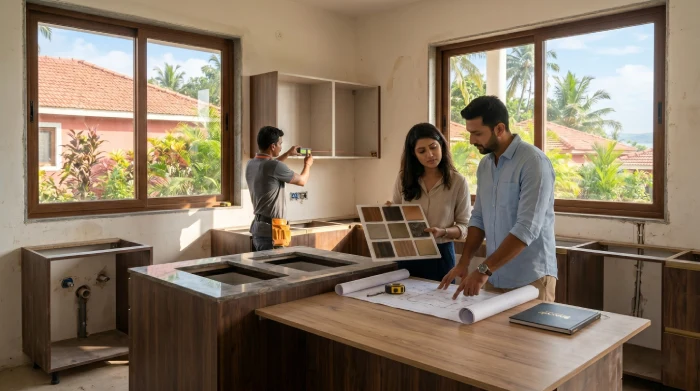
Furniture should not be the last decision in a home renovation. In premium homes, furniture affects room layout, lighting, electrical points, storage, wall finishes, movement space, and the final look of the interiors. If you wait until the renovation is almost complete, you may be forced to compromise on size, finish, comfort, or customization.
At Brocaade in Goa, homeowners can plan premium furniture around renovation timelines, room measurements, materials, and long-term usability. If you are renovating your home or villa in Goa, Brocaade offers premium furniture and custom furniture guidance to help you make the right decisions before the final stage. Visit the showroom or book a consultation early in your renovation process to plan better.
The direct answer: start furniture planning early
The best time to start furniture planning is during the design and renovation planning stage, not after painting and flooring are finished. You do not need to buy every piece immediately, but you should finalize the furniture direction, approximate sizes, custom requirements, materials, and priority rooms early.
For ready furniture, you can visit the showroom once room sizes are clear. For custom furniture, you should begin discussions much earlier because measurements, material selection, finish approval, production, delivery, and installation all take time.
In a premium renovation, furniture planning should begin before electrical, lighting, and wall treatment decisions are locked.
Why furniture timing matters during renovation
Many homeowners think furniture is separate from renovation work. In reality, it is closely connected. A TV unit affects electrical points. A bed affects switch placement. A study desk affects lighting and plug points. A dining console affects wall space. A custom bar unit may need lighting, storage planning, and service access.
If furniture decisions are delayed, the renovation team may place lights, sockets, switches, or wall panels in positions that do not suit the final furniture layout. This can lead to visible wires, awkward gaps, poor lighting, or expensive rework.
For premium homes, these details matter because the final finish should feel seamless.
Stage 1: Before renovation begins
Before any major renovation work starts, create a basic furniture plan. Decide which rooms need new furniture and which existing pieces will be retained. Measure each room and list the major furniture items needed.
At this stage, you should identify:
- Living room seating
- TV unit or media wall
- Dining furniture
- Beds and side tables
- Wardrobes or storage units
- Study desk or library unit
- Bar unit
- Outdoor or balcony furniture
- Guest room furniture
This does not mean everything must be purchased immediately. It means you are planning the renovation around real furniture needs instead of guessing.
Stage 2: During civil, flooring, and electrical work
This is one of the most important stages for furniture planning. If you need custom TV units, wardrobes, bar units, study desks, or storage walls, their approximate placement should be decided before electrical work is completed.
For example, a custom TV unit may need power points, cable routing, backlighting, display lighting, or concealed wiring. A bed wall may need reading lights and bedside switches. A study desk needs task lighting and plug points. A bar unit may need lighting and appliance points.
At Brocaade in Goa, homeowners can discuss custom furniture requirements during the renovation stage so that furniture, lighting, and room function work together.
Stage 3: After flooring and wall measurements are final
Once flooring, wall plastering, and major civil work are complete, final measurements become more accurate. This is the right time to confirm custom furniture dimensions.
Custom furniture should not be based only on early estimates because small changes in wall thickness, skirting, false ceiling levels, or flooring height can affect the final fit. Accurate measurements help avoid gaps, misalignment, or installation issues.
This stage is ideal for confirming TV units, storage furniture, wardrobes, study units, bar units, and built-in pieces.
Stage 4: Before painting and final finishes
Before the final paint and wall finishes are completed, review furniture finishes, colours, and materials. Furniture should coordinate with flooring, wall colour, lighting temperature, curtains, and overall interior style.
For renovated homes in Goa, material selection is especially important. Humidity, ventilation, sunlight, and coastal conditions can affect furniture over time. Choose materials and finishes that suit the room’s usage and maintenance needs.
Premium furniture should not only match the design. It should also perform well in daily life.
Stage 5: Before moving in
Ready furniture such as sofas, lounge chairs, dining chairs, beds, centre tables, and accent pieces should be selected before moving in. This gives enough time for delivery, inspection, and placement.
If you wait until after moving in, you may rush the purchase and choose pieces based only on availability. Premium furniture should be selected with attention to comfort, proportion, finish, and craftsmanship.
A showroom visit before moving in helps you compare options in person and make confident decisions.
Ready furniture vs custom furniture during renovation
Both ready and custom furniture have a role in a renovation project. Ready furniture is useful when you want to test comfort, finish, and proportions before buying. Sofas, chairs, beds, coffee tables, and dining pieces are often easier to evaluate in a showroom.
Custom furniture is better for fixed layouts, exact dimensions, difficult corners, integrated storage, TV walls, bar units, and study spaces. It requires earlier planning because design, material choice, and production take time.
Brocaade offers both premium furniture and custom furniture guidance for homeowners who want a refined, well-planned renovation outcome.
Common timing mistakes to avoid
The first mistake is finalizing electrical points without knowing the furniture layout. This often leads to inconvenient switch positions or visible wires.
The second mistake is ordering custom furniture after painting is complete. Installation may still require adjustments, drilling, or coordination.
The third mistake is choosing furniture after moving in. This can lead to rushed decisions and mismatched pieces.
The fourth mistake is not visiting a showroom early enough. Seeing furniture in person helps you understand scale, comfort, material quality, and finish before the renovation is completed.
FAQs
Should I buy furniture before renovation starts?
You do not need to buy everything before renovation starts, but you should begin planning furniture early. Major pieces and custom furniture requirements should be discussed before electrical and lighting work is finalized.
When should I order custom furniture during renovation?
Custom furniture should be planned during the early renovation stage and finalized after accurate site measurements are available. This gives enough time for design, material selection, production, and installation.
Why is showroom consultation important during renovation?
A showroom consultation helps you compare materials, finishes, comfort, and sizes before making permanent renovation decisions. It also helps align furniture with lighting, layout, and storage needs.
Visit Brocaade during your renovation planning
The right furniture timing can make a renovated home feel more refined, functional, and complete. Planning early helps avoid rework, poor proportions, unsuitable materials, and rushed purchases.
For premium homes and villas, Brocaade offers furniture solutions shaped by craftsmanship, material quality, customization, and showroom experience. Visit Brocaade’s showroom in Goa or book a consultation during your renovation stage to plan furniture with confidence.