
Furniture Setup for Ready-to-Move Goa Homes With Wardrobes and Kitchen
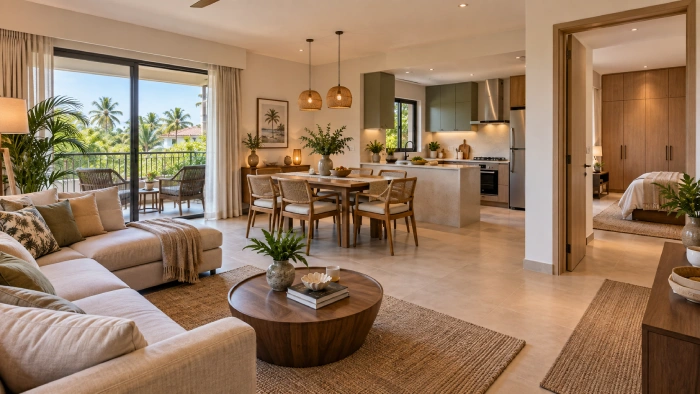
A ready-to-move home often looks nearly complete when possession is taken. The kitchen is installed, bedroom wardrobes are already in place, flooring and lighting are finished, and many electrical points are fixed. But the home may still feel empty because the furniture that makes daily living comfortable has not yet been selected.
This creates a different furniture-planning challenge from furnishing a completely empty property. Instead of designing every room from scratch, homeowners need to work around fixed finishes, existing storage, room dimensions, and established electrical points while choosing sofas, beds, mattresses, dining furniture, TV units, and only the additional custom pieces that are genuinely necessary.
At Brocaade in Goa, homeowners can explore premium sofas, beds, mattresses, dining furniture, storage solutions, and custom furniture for ready-to-move homes. If your wardrobes and kitchen are already installed, visit the showroom or book a consultation to plan the remaining furniture around what is already built into the property.
The direct answer: start by identifying what the builder has already solved
Before buying furniture, make a clear list of what is already installed.
In many ready-to-move homes this may include:
- Kitchen cabinets
- Bedroom wardrobes
- Bathroom storage
- Electrical points
- TV points
- Lighting
- Flooring
- Fixed wall finishes
- Air-conditioning locations
Once these are mapped, identify what the home still needs.
The aim is not to add more furniture everywhere. It is to complete the property without duplicating storage or overcrowding rooms.
Create a room-by-room furniture list
A simple furniture plan helps separate essentials from optional additions.
| Area | Usually still required |
| Living room | Sofa, centre table, TV furniture, occasional seating |
| Dining area | Dining table, chairs, sideboard if required |
| Master bedroom | Bed, mattress, bedside units |
| Secondary bedrooms | Beds, mattresses, study furniture where needed |
| Entrance | Shoe or console storage if existing storage is insufficient |
| Balcony | Suitable loose furniture where required |
| Work area | Desk and chair if the home needs a study zone |
Some homes may need fewer pieces because built-in furniture already provides enough storage.
A room-by-room approach is also useful when different areas of the home serve very different purposes. Brocaade’s guide to furniture setup for duplex homes in Goa shows how living, dining, bedroom, storage, circulation, and delivery requirements can be planned as connected zones instead of treating every room as a separate purchase.
Match new furniture with existing finishes
Ready-to-move homes already have a visual language.
Wardrobes may use a particular laminate or wood tone. The kitchen may introduce another finish. Flooring, doors, wall colours, and hardware create additional fixed elements.
The loose furniture does not need to match these finishes exactly, but it should feel coordinated.
For example, if the wardrobes already have a strong wood finish, adding another unrelated wood tone to every bed and side table may make the room feel visually busy. An upholstered bed or a more neutral finish may create better balance.
Similarly, the sofa should work with the flooring, curtains, and fixed living-room finishes rather than being selected as an isolated product.
At Brocaade, homeowners can compare furniture materials, colours, and proportions while considering the finishes already present in the property.
Plan the living room around actual usable space
The living room is often the first major furniture decision.
Start by measuring:
- Sofa wall
- TV wall
- Balcony or window access
- Entrance path
- Distance between sofa and TV
- Dining-area connection
- Existing electrical points
A large sofa may technically fit but still reduce comfortable circulation.
Ready-to-move properties often have electrical points and TV locations already fixed, so the furniture needs to work around them rather than assuming they can easily be moved.
Choose the sofa based on room proportion, seating requirements, and daily use. Then add the centre table, occasional seating, and TV furniture only after the main layout is clear.
Avoid adding storage simply because a wall is empty
One of the biggest risks in ready-to-move homes is overfurnishing.
If the bedrooms already have large wardrobes, additional cabinets may not be necessary. If the kitchen has enough storage, a large crockery unit may add clutter rather than solve a problem.
Before adding storage, ask:
- What exactly needs to be stored?
- Is existing storage already sufficient?
- Is the new unit required for everyday use?
- Will it reduce walking space?
- Would a smaller sideboard or console solve the requirement?
Custom furniture should be added where it solves a specific need, not simply because there is unused wall space.
Choose beds and mattresses as one decision
A ready-to-move bedroom may already have wardrobes, lighting, switches, and air-conditioning positioned around the expected bed location.
Measure the available bed wall and check wardrobe-shutter clearance before selecting the bed size.
Then consider:
- Bed-frame width
- Mattress size
- Mattress thickness
- Finished bed height
- Bedside-unit space
- Walking clearance
A large bed can reduce access to built-in wardrobes even when the room appears spacious on paper.
At Brocaade in Goa, beds and mattresses can be compared together so homeowners can evaluate size, comfort, and final room proportion before buying.
Think carefully about the TV area
Some ready-to-move homes provide only a television point on the wall, while others include a basic fixed TV panel.
Before ordering another TV unit, determine what is actually required.
You may need:
- A low console
- Closed storage for devices
- Display shelving
- Cable management
- Additional drawers
- A custom TV wall
If the existing setup already works, adding a large custom structure may be unnecessary.
The furniture should complete the room rather than compete with what the builder has already installed.
Plan dining furniture around the kitchen and circulation
The dining area often sits immediately beside the installed kitchen.
Measure the route between the kitchen and dining table carefully. Chairs need room to pull out, and people should be able to move comfortably while food is being served.
A dining table should suit both household size and available clearance.
If extra crockery storage is genuinely required, a sideboard or custom crockery unit can be considered after checking what the kitchen already accommodates.
Ready-to-move furniture checklist
Before purchasing, confirm:
- Actual room dimensions
- Wardrobe door clearance
- Existing storage capacity
- TV and electrical points
- Kitchen and dining movement
- Sofa size
- Bed and mattress size
- Delivery access
- Lift or staircase dimensions
- Existing furniture being retained
- Which custom pieces are genuinely required
This prevents unnecessary furniture purchases and helps the home feel more intentional.
Common mistakes to avoid
The first mistake is buying furniture before measuring around installed wardrobes.
The second is trying to match every new piece exactly with the builder’s finishes.
The third is adding too much storage simply because there are empty walls.
The fourth is buying a sofa or dining table without checking circulation.
The fifth is treating a ready-to-move home like an empty interior-design project. Much of the fixed work is already complete, so furniture planning should build around it rather than restart the entire design.
FAQs
What furniture should I buy first for a ready-to-move home?
Start with the sofa, beds, mattresses, dining furniture, and essential bedside or TV furniture. Add extra storage only after checking what the installed wardrobes and kitchen already provide.
Should furniture match existing wardrobes?
It should coordinate with them, but exact matching is not always necessary. Related or complementary finishes can create a more balanced result.
Do ready-to-move homes still need custom furniture?
Sometimes. Custom TV units, study furniture, dining storage, or other pieces may be useful where there is a specific functional requirement or unusual dimension.
Should I measure the home even if I have the builder’s floor plan?
Yes. Furniture should be planned using actual completed-room measurements because installed wardrobes, skirting, wall finishes, and other details affect usable space.
Visit Brocaade for ready-to-move home furniture setup in Goa
A ready-to-move property does not need to be filled with furniture. It needs the right furniture added around what is already installed.
For apartments, villas, and premium homes in Goa, Brocaade offers sofas, beds, mattresses, dining furniture, custom furniture, and complete setup guidance. Visit Brocaade in Goa or book a consultation to plan the remaining furniture around your existing wardrobes, kitchen, finishes, and room dimensions.